Knowledge Institute for Integrative
& Complementary (Nursing) Care
Kicozo is a highly recommended school of excellence for integrative complementary therapies for professionals in health care (facilities).
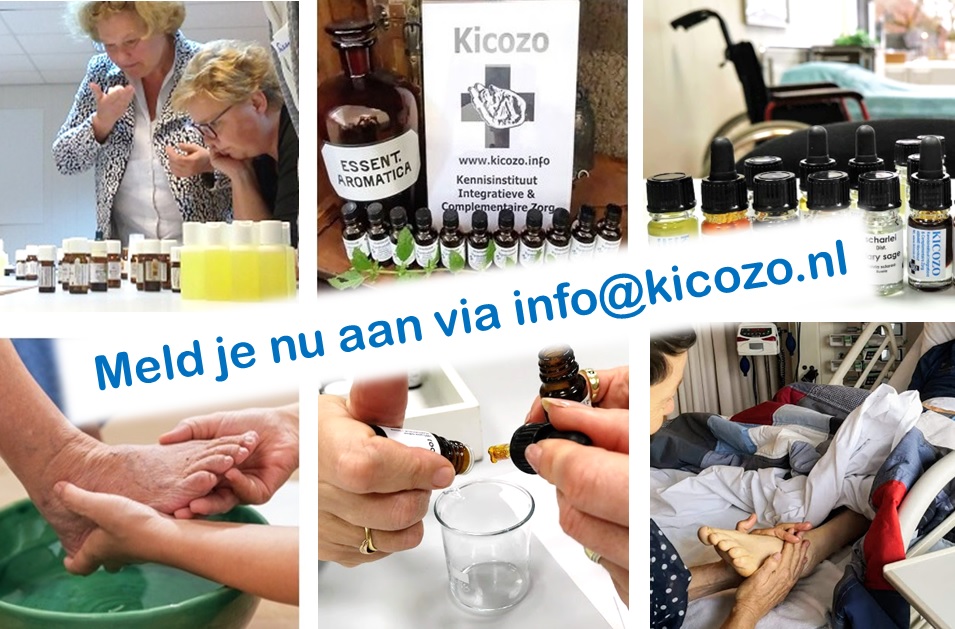
Kicozo offers nurses and other professionals, such as aromatherapists, massage therapists, holistic health care workers and other professionals in direct contact with their patients / clients the best nature has to offer. These professionals can work in the facility (hospices, nursing homes, day care centres, hospitals), home care or have a private practice.
Kicozo is highly specialised in clinical complementary therapies such as aromatherapy, massage, aquacare and integrative nursing.
Some of its fields of extensive expertise are:
- Cancer Care
- Palliative & End of Life Care
- Elderly and Neurogeriatric Care
- Pain Management
- Skin and Wound Care
- CO2 Extracts
We offer excellent learning opportunities, including in person training around the world.
We also offer comprehensive online courses in student’s respective time zones with high quality aromatic course materials to offer students the optimum learning experience, even from their own home across the globe.
Expert educator and CEO Madeleine has taught extensively in Hong Kong, France, Czech Republic, the UK and the USA. Online courses were given in Japan and other countries around the world.
We’ll be happy to adjust our program to your needs to make sure you and/or your staff / students will put our knowledge and their new skills into practice immediately.
Please contact us to see how we can work together to offer vulnerable patients the extra special quality of life they so deserve.
Madeleine & Team Kicozo
Interview & Podcast Madeleine by Frauke
In January 2021 I was interviewed by my dear colleague and friend Frauke Galia at Falk Aromatherapy on Scent in Palliative & End of Life Care.
We had such a brilliant and long conversation where I share my life’s journey with scent turned into clinical aromatherapy for the frailest of patients and their families. It is a conversation that sheds light on the wonderful ways our sense of smell, and scents, can play an integral role in providing safety, comfort, and calm even in the most difficult circumstances, and most painful moments in life.
So… get yourself a cuppa, or a glass of something, sit yourself down and enjoy this hour on aromatherapy by Madeleine, hosted by the wonderful Frauke. Please follow the link to start:
https://www.falkaromatherapy.com/42
Complementary Therapies at Kicozo
At the Knowledge Institute for Complementary (Nursing) Care, we specialize in AromaCare (Aromatherapy), Massage, AquaCare and Relaxation techniques.
My team and I teach complementary therapies to professionals in health care (facilities).
To give you some background information I’ll elaborate a bit on the therapies we teach:
AromaCare
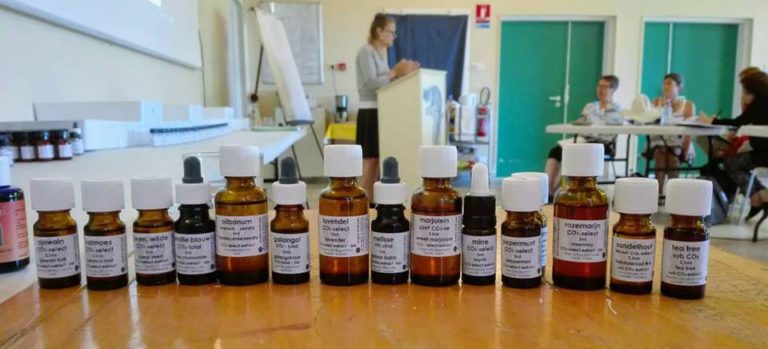
The word AromaCare is derived from Aromatherapy. In AromaCare fragrant essential oils, CO2 extracts and a range of base oils and base compounds are used to improve health and wellbeing. We specialize in clinical AromaCare.
AromaCare can actively support our physical health. Most important factors for the physical efficacy of aromatics are the individual molecules of the raw materials in question. Nowadays their medicinal properties are often backed by scientific research.
Aromatics can be very efficient in prevention and treating infections.
Many aromatics have extensive skin restoring properties as well, which makes them suitable for wounds, (radiation) burns, pressure sores, dry skin, eczema, skin infections of all kinds, etc. Others have pain and cramp relieving propertiesand are excellent for pains and cramps of muscles and tendons, bowel pains or menstruation cramps.
AromaCare and fragrant essential oils and CO2 extracts can also have a profound impact on our emotional and mental, and also our spiritual wellbeing. After all, scent is a sense that can highly influence our mood. When you smell a certain fragrance, this provokes memories and images of days gone by. We strive to choose the right (combination of) fragrance to help patients with sadness, anxiety, stress, nervousness, restlessness or insomnia, to name just a few.
The effect of AromaCare is of course depending on numerous factors including: their ingredients and actions, the quality of the raw materials; patient medical and personal history including an overview of existing medication from all origin, knowledge of possible interactions, the absorption capacity of the skin and mucous membranes, adequate functioning of liver, kidneys and lymphatic system, the ideal dosage in relation to the individual client, etc.
In addition to this, the method of administration (diffusion, inhalation, massage, baths, etc.) and of course how a scent(combination) is perceived by the recipient is also of huge importance.
Offering AromaCare to patients in clinical settings (but also in your own environment) is much more than “just a scent”. Our advice is: seek professional education! We are there to help you learn how you too can offer the best of nature safely and effectively to patients.
You’ll find our English course program at https://www.kicozo.info/scholingen/professionals/calendar-global-activities-kicozo/
Touch & Massage
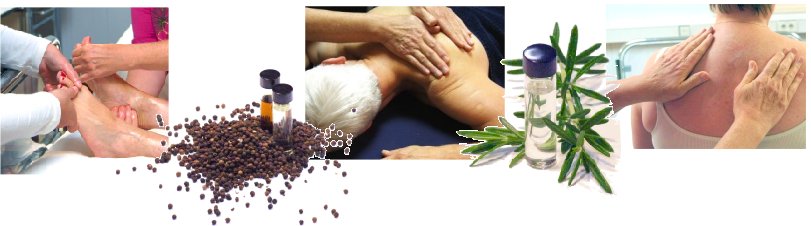
Being touched in a positive and attentive, loving way is vital to all of us. Many people will share hugs with their beloved partner, children and other beloved relatives and friends. Many will share close and intimate sensual contact with their partner. Some people will undergo regular massage. We find that natural and usually enjoy touch and being touched.
However, once a person becomes a “patient” touch is experience in a different way. There seems to be no space for any other kind of touch than technical nursing or medical forms of touch. Patients can easily forget that apart from suffering from a kind of illness that need care, they are also human beings with feelings and emotional and spiritual needs. These days the enormous added value of giving gentle attentive touch and massage on all levels of wellbeing is increasingly recognized. Attentive touch and massage can make the recipient feel once more that his or her body can still be a source of pleasant sensation. In addition, massage can help relax and unwind. This way it has a positive effect on the overall sense of wellbeing.
In our training courses make touch and massage easy to do and to communicate to the receiver. We dig into the effects and beneficial factors that contribute to the effects of massage and of course discuss limitations and contra-indications. Much attention is paid to practicing massage.
 AquaCare
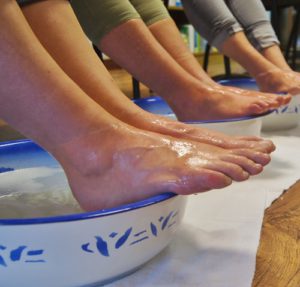
When using AquaCare – a term derived from the better known “hydrotherapy” – in health care we can use the various mechanisms of action of water to initiate reactions in parts of, or in the entire body.
AquaCare goes beyond taking a relaxing bath or shower. Using water techniques we can relieve cramps, improve muscle tone, reduce constipation, stimulate the metabolism, promote blood circulation, strengthen the vascular walls, positively influence inflammations, improve skin condition, and improve the stress response to help the patient relax more easily and sleep better.
I can safely say that I’m a successful pioneer in translating the many possibilities of hydrotherapy into simple AquaCare applications and integrate them in mainstream health care. Many healthcare centers such as hospitals, nursing homes and hospices, as well as home care organisations have now adopted many of the beneficial interventions and are excited about the simplicity and effectiveness.
Relaxation techniques
Practicing relaxation techniques on a daily basis can help achieve a general feeling of relaxation and increased wellbeing that benefits every area of body, mind and spirit. When patients feel relaxed and at ease, they feel more in control which leads to calm, realistic responses. In situations of (severe) illness relaxation techniques can make a huge difference in stress response and relieve symptoms, such as pain, dyspnoea, anxiety and fear, sleeping problems, nausea and vomiting, etc. In palliative and end-of-life care short exercises, adjusted to individual needs can be very helpful to patients and loved ones. Several studies support many of these claims. Relaxation techniques can also be of help in cases of lack of energy and fatigue. A short exercise from 5 to 20 minutes may be more effective than an hour sleep. The techniques are suitable for adults and children. Relaxation techniques can be successfully applied in many situations. It will take some effort from the patient to get himself acquainted with the technique, but once the exercise is done several times, optimal results will follow.
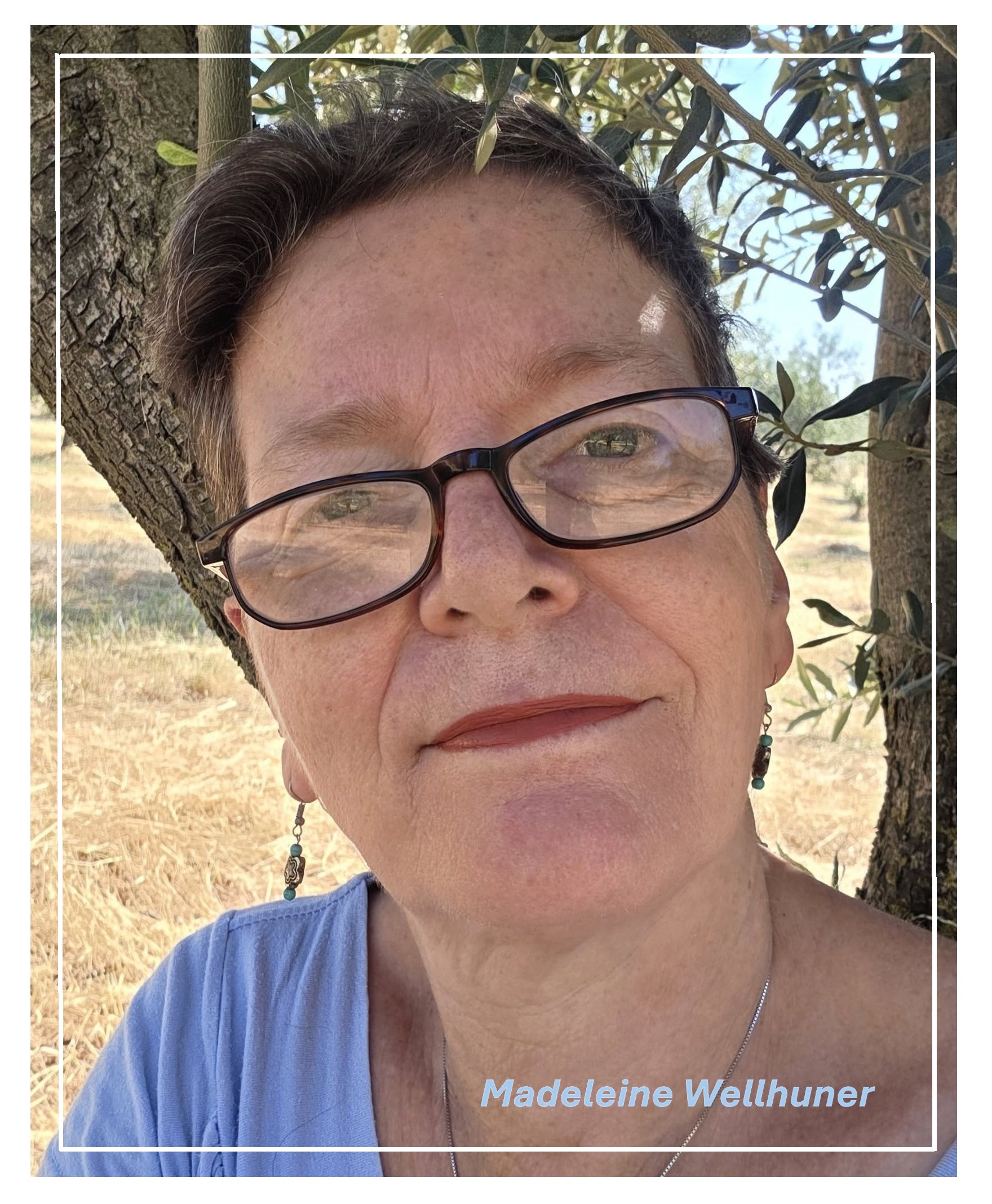
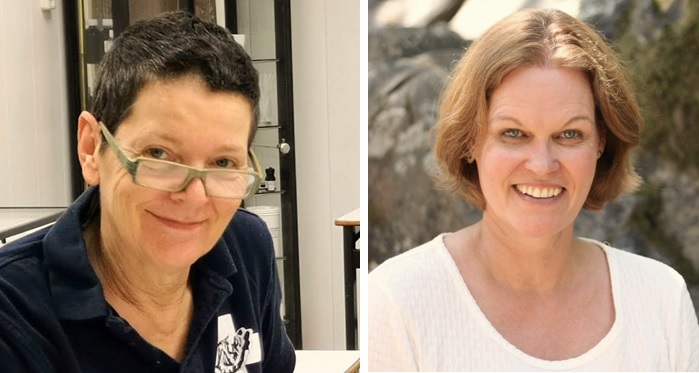
Madeleine Wellhuner
RNret, CA, AED, MT, ACS.
Madeleine Wellhuner (also known as Madeleine Kerkhof) is founder, CEO and senior educator of Kicozo International, the Knowledge Institute for Integrative & Complementary (Nursing) Care
As a nurse, Madeleine gained a passion for a more holistic approach. This lead to her studies into complementary therapies in addition to existing care. After leaving the hospital Madeleine had a private practice for many years, and gradually started training nurses and health care professionals in complementary nursing care techniques as well.
Now, almost 30 years later, she is a highly respected expert and world renowned educator in Clinical Aromatherapy (AromaCare), AquaCare and other complementary therapies, specialised in the care for the frailest patients and elderly, in oncology, in palliative and end of life care. Her calling is to help integrate complementary therapies in mainstream health care. She is a frequently asked speaker at conferences for professionals in health care, and as a guest teacher at academies and universities.
Madeleine is accredited by the Board of Nursing’s Quality Registry, and a member and advisor to the Dutch Nurses Society, Palliactief (NL) and the Herbalist Guild, as well as being a member of the American Holistic Nurse Association, AIA USA, IAAMA, NAHA USA (and approved CE Provider), and other professional organisations.
She is a Fellow of ICAN, the International Clinical Aromatherapy Network.
She is the author of the guideline Aromacare for the respected Dutch National Cancer Website Kanker.nl and of the guidelines Aromacare and Aquacare within the Dutch National Palliative Care guidelines (2023).
Madeleine is also the author of 3 highly acclaimed books: “Complementary Nursing in End of Life Care” (2015), and “CO2 Extracts in Aromatherapy, 50+ Extracts for Clinical Applications” (2018).
Her most recent book is “Clinical AromaCare, Aromatherapy in Health Care & Practice” (May 2023).
Madeleine also publishes papers en case studies in national and global professional journals.
She feels very passionate about adding quality of life and dying to patients and helps health care professionals to achieve that by offering them safe and science based tools to add to their tool kit with the help of natural aromatics, touch, relaxation and AquaCare techniques for optimum comfort and care.
She is also the chair of De Levensboom Foundation which is a registered charity in palliative care that supports vulnerable patients by providing nurses, hospitals, aged care facilities and hospices in several ways.
Her work and generosity is highly valued and regarded in health care throughout the Netherlands and beyond. She was commended by Her Excellency the President of Malta in 2018 for her support to the National Maltese Cancer Fund.
Madeleine was also one of two nominees of the Lifetime Achievement Award (2019) of the Alliance of International Aromatherapists (USA).
She feels Kicozo wouldn’t be where it is today without its wonderful team of like minded and equally passionate teachers and colleagues. Also, Madeleine feels she wouldn’t be who she is today without her loving partner Kees Kerkhof, and dear friends and esteemed colleagues around the globe.
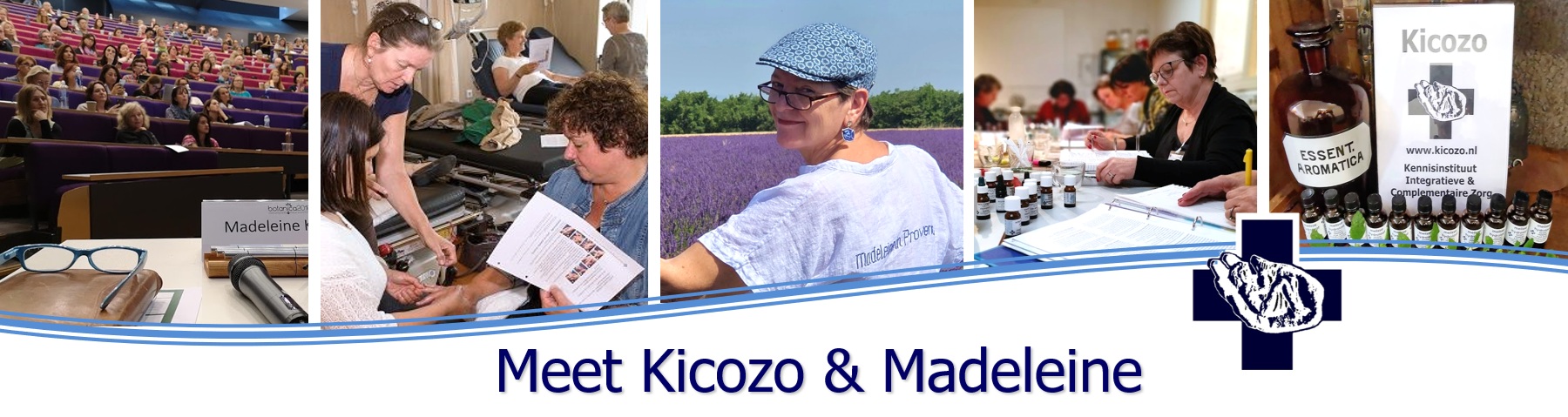
Madeleine teaches in Kicozo’s campus in The Netherlands where she heads a team of tutors, and travels the world, both personally and online, to train nurses and health care professionals in clinical aromatherapy (AromaCare), and other clinical complementary (nursing) techniques to enhance quality of life for patients and their loved ones.
Interview with Madeleine in October 2020 by Melani Kovac, (creator of DropSmart, excellent online support system for aromatherapists). The approx. 30 minutes reflect Madeleine’s great passion for safe AromaCare for vulnarable patients:
https://www.dropsmith.com/interview-madeleine-kerkhof/?fbclid=IwAR2uPs2hlDwGJ9edQFQtZstywuJe3Z8OkFqP4z1h0BPinSS_1VcEaLrIDI0